Peterborough Public Health will resume enforcement of student immunization beginning Wednesday.
On Monday, the health unit said it will restart enforcement of(ISPA), a step other health units have undertaken after the COVID-19 pandemic and heightened response put a pause on routine immunization opportunities.
All students between the ages of four and 17 must be vaccinated according to Ontario’s Immunization Schedule, which includes vaccinations against diphtheria, tetanus, polio, measles, mumps, rubella, pertussis (whooping cough), varicella (chickenpox) and meningococcal disease. A COVID-19 vaccination is not on the provincial list.
If a student does not have the vaccination, they must have a valid exemption on file with public health.
The health unit serves Peterborough, Peterborough County, Curve Lake First Nation and Hiawatha First Nation.
“Immunizations protect children from highly infectious viruses and bacteria that can lead to severe disease,” said medical officer of health Dr. Thomas Piggott. “Ensuring that all students are immunized and records are reported to public health will keep children safe in the classroom and prevent or manage potential outbreaks of disease.”
Back in August, the health unit hosted catch-up immunization clinics because it believed more students than usual were behind on immunizations due to the pandemic disruptions.
“Starting in January, we are resuming enforcement of routine immunizations to ensure all students are compliant with ISPA and those who are not compliant may be at risk of school suspension,” Piggott said. “This will begin with the education of parents and guardians of students who are in Grade 3 and not up-to-date with their immunizations.”
“The goal of our efforts is to support accessing vaccination, and getting our community protected,” Piggott continued. “We have availability in our Routine Immunization Clinic to support those who do not have access to a health care provider.”
Immunization records can be found online at peterboroughpublichealth.ca. A valid Ontario health card is required to access the record of immunization.
Parents and guardians may also ask their health-care provider to fax immunization records to Peterborough Public Health. Children who are not up-to-date should book an appointment with a health-care provider to receive a vaccine. Residents who do not have a local health care provider can book an appointment at the health unit’s Routine Immunization Clinic by calling 705-743-1000 ext. 331.
The coronavirus disease 2019 (COVID-19) pandemic, caused by the highly infectious severe acute respiratory syndrome coronavirus 2 (SARS-CoV-2) virus, has affected millions worldwide. As per the surveillance reports of the earlier phase of the pandemic, SARS-CoV-2 predominantly infects adults. It has been observed that children are infrequently or mildly infected with COVID-19. However, hospitalization rates among infants younger than one due to SARS-CoV-2 infection are higher than among older children.
A disproportionate amount of pediatric COVID-19–associated hospitalizations was observed in infants less than one year of age. Many infants developed mild to moderate COVID-19 symptoms. Most studies on infants with COVID-19 are based on a few observations that hinder proper assessment of true community risk.
It is important to properly estimate the incidence rates of medically attended SARS-CoV-2 infection among infants, including those who received outpatient care, as it could guide new parents and the community to take proper care of a sick child. A recent The Pediatric Infectious Disease Journalstudy estimated the overall incidence rates of medically attended SARS-CoV-2 infection among infants.
About the study
The epidemiology of SARS-CoV-2 in Pregnancy and Infancy (ESPI) Network was developed, which provided electronic medical data (eESPI) for a retrospective cohort of pregnant women and their infants born during the pandemic. The eESPI study was conducted at three healthcare facilities in the United States.
In this study, relevant eESPI on infants were collected up until they turned six months of age. The maternal cohort included individuals whose delivery date was between March 1, 2020, and February 28, 2021. Another eligibility criterion was that at least one telemedicine or prenatal care outpatient visit in a healthcare facility was required between December 1, 2019, and February 28, 2021.
The authors analyzed data of all infants born between March 1, 2020, and February 28, 2021, and required hospitalization, urgent care, or outpatient care for SARS-CoV-2 infection.
Study findings
This US-based study cohort included over 18,000 infants born during the pandemic's first year, with a six-month follow-up. In the first year of the pandemic, the risk of medically attended COVID-19 episodes among infants in the US was found to be low.
The cumulative incidence of medically attended COVID-19 episodes was estimated to be 0.95%. The incidence rate varied with maternal COVID-19 status, infants' age in months, level of community transmission, and maternal race/ethnicity.
Notably, a large percentage of infants who were medically attended for COVID-19 episodes were outpatients or telemedicine visits. However, four infants, i.e., less than 0.1% of the cohort, required hospitalization in their first month of life due to COVID-19. This finding re-ensures that infants are at low risk of contracting SARS-CoV-2 infection. The incidence rates of medically attended COVID-19 episodes were higher among infants born to Hispanic and Non-Hispanic Black mothers.
A higher incidence rate of medically attended COVID-19 episodes was observed in infants born to women infected with SARS-CoV-2 during the 6-month postpartum period. However, this observation was not true for infants born to mothers diagnosed with COVID-19 at other times or those who never contracted the infection. This finding pointed out the potential horizontal transmission between mother and infant.
This study emphasized the importance of following COVID-19 prevention measures by caregivers and household members of young infants to minimize viral transmission to young infants.
The risk of COVID-19 in infants could be effectively reduced by providing proper guidance for infection prevention to families and caregivers of young infants. They must be informed about the importance of COVID-19 vaccination as well as practicing nonpharmaceutical preventive measures, such as wearing face masks and frequent handwashing.
In most cases, infants with underlying medical conditions, i.e., those diagnosed with a medical condition during the first six months of life, were included to develop COVID-19 episodes that required medical attention. This finding is consistent with previous reports that revealed that younger children with pre-existing medical conditions were susceptible to severe infection.
Study limitations
This study has several limitations, including the analysis of data from a single country in only the first year of the COVID-19 pandemic, which limits the generalization of the findings. A variable impact on infants was recorded in the subsequent COVID-19 waves due to the emergence of SARS-CoV-2 variants (e.g., the Delta and Omicron).
Another limitation of the present study is that the medically attended COVID-19 episodes were based on clinician-initiated testing and/or ICD-10 codes, which increased the possibility of under-ascertainment of episodes. The COVID-19 vaccination status of the mothers was not considered as well.
Despite the limitations, the current study indicated that the highest incidence rates of medically attended COVID-19 episodes were in infants born to women who were diagnosed with COVID-19 during the postpartum period.
Incidence rates and characteristics associated with medically attended COVID-19 episodes among infants younger than 6 months - News-Medical.Net Read More
CBC's Great Lakes Climate Change Project is a joint initiative between CBC's Ontario stations to explore climate change from a provincial lens. Darius Mahdavi, a scientist with a degree in conservation biology and immunology and a minor in environmental biology from the University of Toronto, explains how issues related to climate change affect people across the province and explores solutions, especially in smaller cities and communities.
COVID-19 has shown us how quickly a new disease can spread, upending our lives. Even if it doesn't happen within our lifetimes, research suggests there will be another pandemic and it will likely happen through a disease that reaches humans from animals.
In Canada, the risk of diseases being passed from animals to humans is relatively low — but not zero. Based on existing trends, some scientists expect the rate of emergence of new diseases to triple over the next several decades due to increased interaction between humans and animals.
Invasive species — those that enter a new habitat and out-compete native wildlife — may also bring new diseases, which can be devastating.
With both native and invasive species often having no choice but to move through densely populated areas when searching for new habitats, there is a higher risk of those diseases being passed from animals to humans.
This is known as zoonosis.
Zoonosis events can lead to outbreaks of novel diseases, such as SARS-CoV-2, the virus that causes COVID-19.
In other cases, known carriers of existing human diseases are being given the opportunity to move into new areas, increasing the risk of transmission.
Here in Canada, many native and invasive species can host and transmit diseases — one of many reasons scientists are wary of species expanding into new areas.
Enter the blacklegged tick, Ixodes scapularis, found across the eastern provinces, and its cousin the western blacklegged tick, Ixodes pacificus, found on the Pacific Coast.
Blacklegged ticks are smaller than the common brown dog tick and can be vectors for Lyme disease. (Ben Garver/The Berkshire Eagle via The Associated Press)
Though not likely to cause a pandemic, in Canada, they are the only known carriers of Borrelia burgdorferi, the bacteria that causes Lyme disease, which has been on the rise over the past decade.
Blacklegged ticks, also known as deer ticks, were once a rare sight across Canada. Today, they are found across large parts of Ontario and other provinces, and more during the year than ever before.
Catherine Bouchard, a veterinary epidemiologist with the Public Health Agency of Canada and adjunct professor at the University of Montreal, has seen this first hand.
"Fifteen years ago ... sampling for over six months per year, I would find maybe 1,000 ticks over a two-year period," said Bouchard, who works primarily in the Estrie region of Quebec. "Nowadays, when we go out there in the same region ... within two months, we are getting 1,000 ticks."
This is the same trend seen across much of Canada, including Ontario, and Bouchard said it is expected to continue.
This has also led to a major increase in the number of cases of Lyme disease — an inflammatory disease that can start as a rash, headache, fever and chills, and develop into more serious issues like arthritis, long-lasting fatigue, and neurological and cardiac problems.
In order to transmit Lyme disease, a tick must remain attached for at least 24 hours, with the chance of transmission increasing significantly the longer it feeds, said Bouchard.
She added that although only about 20 per cent of ticks carry the disease-causing bacteria on average, it can be as high as 50 per cent in some areas.
Reported cases of Lyme disease across Ontario and Canada have been rising over the last decade. The data is from Public Health Ontario and the Public Health Agency of Canada. (CBC News)
Moving to new areas
These ticks are one of many species undergoing a range shift — moving north because of climate change.
"With key climate change drivers such as temperature but also precipitation … the weather that we are experiencing, that is changing, of course it has a direct impact on vector ticks," said Bouchard.
A range shift occurs when species are forced to move out of their typical homes and into new areas that can support them.
You can see an example of that in Ontario, where blacklegged tick populations have spread since 2016.
Estimated Lyme disease risk areas in Ontario have been growing since 2016. These risk areas are based on where blacklegged ticks are found during active sampling by researchers. (CBC News)
Every species has a niche — a specific set of environmental constraints that must be met for survival and to reproduce. These include temperature, humidity, precipitation and the presence or absence of certain other species.
Climate change has affected these factors in habitats around the world. As a result, many species' niches are less common or no longer exist within their historical range.
"Because of climate change, the conditions are changing throughout the range of all the species, and what was the region where they were having their optimum of abundance is shifting," said Marie-Josée Fortin, a professor of ecology and evolutionary biology at the University of Toronto.
"[Species] are finding that the location where they are is too hot, or too dry or too humid for them, so they have to move."
Movement can be unpredictable, but generally, species tend to head toward cooler climates: toward the poles, to higher elevations or in the case of aquatic species, to lower depths.
These range shifts pose many challenges for individual species, ecosystems and even human communities.
Movement isn't always easy
For some species, like caribou or migratory birds, movement is a natural part of their lives.
"They are used to moving through large regions," Fortin said. "But other species, they cannot move that fast, right? So they need to slowly acquire some new habitat along the way."
These discrepancies between species' abilities to move to new habitats can make range shifts difficult even for those that can move with relative ease.
Not only do species need to have the right climate — they also need their resources, food and other members of their species to survive, Fortin explained.
New areas also mean new competition with new species, including humans.
"If you think of species from southern Ontario that are at the northern range of their limit in North America, to move north, what they are faced with is an agricultural landscape, so there's not much habitat to colonize," said Fortin.
"They are competing with humans for the best habitat that they could use."
Even when trying to return land to its natural state by rehabilitating areas with native species, climate change is a big part of the conversation, said Tys Theysmeyer, head of natural lands at the Royal Botanical Gardens (RBG) in Hamilton.
That's why more northern species, like hemlock trees, may not be part of planting efforts at the RBG in the future, even though they're native to the area.
Many animals are capable of carrying and spreading invasive species to new areas. They include this common yellowthroat with ticks around its eyes. In the past, invasive species may have died in colder habitats, but climate change may allow them to establish themselves in new areas as they warm. (Submitted by Catherine Bouchard)
"We're starting to think a little more about those slightly more southern plants as part of site restoration projects," said Theysmeyer.
"And at the same time, you're looking at, well, what are the trees that will march north into this area and be the foundation of the future forest."
Range shifts can entail contractions or expansions
For many species, the term "range shift" is a bit of a misnomer.
Species at risk often face what is better described as a range contraction — where their southern range border moves faster than the northern one, causing its range to shrink.
This is also common for species that live on mountains. As the climate warms, their range shifts to a higher elevation, but eventually there is no mountain left to ascend.
Meanwhile, range shifts may drive other species to become invasive, harming other ecosystems they enter.
Indeed, invasive species, like blacklegged ticks, often enjoy range expansion as a result of climate change, as they gain more suitable habitat than they lose.
Even for migratory species like caribou, it can be difficult to travel through human-dominated landscapes. (Danita Delmont/Shutterstock)
For many protected areas, removal of invasive species is a top priority.
Climate change is threatening to make that even more difficult.
"In the climate we have, it's usually the cold that [keeps invasive species away]," said Theysmeyer. "If the climate doesn't get as cold, then what limits your survival in the winter no longer limits your survival and you start to move in.
"The impacts that we worry about more than anything are the Eurasian insects, or bacteria or plants that have made it to North America and are invasive species, but are held at bay by the fact that it gets too cold here in the winter," he said.
"It's definitely a thing we're watching, everybody's watching."
Monitoring and solutions
Work is underway through research networks to track and monitor these shifts.
"By having these big networks of research, trying to track these emerging diseases, and I think that's how we have a chance — just by doing that collective work, collective effort of all these different partners," said Bouchard.
Disease emergence and pandemic vigilance have become a key focus of many jurisdictions in the wake of COVID-19, with the public, scientists and policymakers alike recognizing the dangers of being caught unaware.
Tys Theysmeyer, head of natural lands at the Royal Botanical Gardens in Hamilton, says the RBG has to make hard decisions about which species to use in habitat restoration efforts based on whether they can survive in the RBG long term in the face of climate change. (Darius Mahdavi/CBC)
As for those working on the ground to help species affected by range shifts, it really comes down to helping nature do its thing.
One of the best ways to do this is to provide corridors or stepping stones of natural habitat so species can move across human-dominated landscapes to new habitats.
"Parks Canada has an initiative to create some corridors throughout the country," Fortin said. "But it's a work in progress."
When restoring these areas, diversity is key.
"Rebuilding ecosystems is mostly about building resilience," said Theysmeyer of the RBG. "The greater diversity you can have, the better."
When it comes to alcohol consumption, there is no safe amount that does not affect health, says a new WHO statement.
Alcohol causes at least seven types of cancer. (Photo courtesy: Getty Images)
By Sneha Mordani: The World Health Organisation (WHO) in its latest assessment has warned that there is no safe amount of alcohol that does not affect health. The global health body in a statement in The Lancet Public Health has said that the risk of developing cancer increases substantially the more alcohol is consumed and that 200 million people are at risk of developing alcohol-attributable cancer in Europe.
advertisement
It noted that the latest data analysis revealed that half of all alcohol-attributable cancers in the WHO European Region are caused by “light” and “moderate” alcohol consumption – less than 1.5 litres of wine or less than 3.5 litres of beer or less than 450 millilitres of spirits per week.
"Alcohol causes at least seven types of cancer, including the most common cancer types, such as bowel cancer and female breast cancer. Ethanol (alcohol) causes cancer through biological mechanisms as the compound breaks down in the body, which means that any beverage containing alcohol, regardless of its price and quality, poses a risk of developing cancer," WHO said.
The health body maintained that to identify a “safe” level of alcohol consumption, valid scientific evidence would need to demonstrate that at and below a certain level, there is no risk of illness or injury associated with alcohol consumption. The statement further clarifies that currently available evidence cannot indicate the existence of a threshold at which the carcinogenic effects of alcohol “switch on” and start to manifest in the human body.
“We cannot talk about a so-called safe level of alcohol use. It doesn’t matter how much you drink – the risk to the drinker’s health starts from the first drop of any alcoholic beverage. The only thing that we can say for sure is that the more you drink, the more harmful it is – or, in other words, the less you drink, the safer it is," Dr Carina Ferreira-Borges, acting Unit Lead for Noncommunicable Disease Management and Regional Advisor for Alcohol and Illicit Drugs in the WHO Regional Office for Europe, said in a statement.
WHO noted that, globally, European Region has the highest alcohol consumption level and the highest proportion of drinkers in the population with over 200 million people at risk of developing alcohol-attributable cancer.
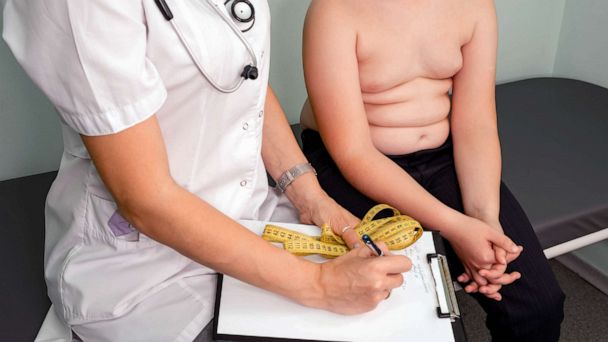
Children and adolescents should be proactively evaluated and treated for obesity, according to new guidelines from the American Academy of Pediatrics around childhood obesity.
The guidelines note that treatments, including medications and weight loss surgery, can be effective and can help reduce the risk of developing other health conditions.
The AAP also said childhood obesity is a disease with genetic, social and environmental factors - not something caused by individual choices - and that it shouldn't be stigmatized by health care providers.
"Weight is a sensitive topic for most of us, and children and teens are especially aware of the harsh and unfair stigma that comes with being affected by it," Dr. Sarah Hampl, a lead author of the guidelines and pediatrician and weight management specialist at Children's Mercy of Kansas City, said in a statement. "Our kids need the medical support, understanding and resources we can provide within a treatment plan that involves the whole family."
One in 5 U.S. children and teens are living with obesity, according to the Centers for Disease Control and Prevention. Obesity is a serious condition that, if left untreated, can lead to long-term health problems.
Overweight and obesity are diagnosed after a doctor uses height and weight to calculate body mass index, or BMI. The tool compares a child's weight and height to other children of the same age and sex. Overweight means having BMI 85% greater than others their age and gender, while obese children are at or above 95%. BMI is an imperfect tool, but can still help doctors identify concerns for patients, experts said.
Children with obesity are at a higher risk for diseases such as type 2 diabetes, heart disease, obstructive sleep apnea, and depression.
Pediatricians should screen children with obesity for those and other conditions at routine checkups, the AAP said in the new guidelines.
Reducing BMI with treatment can help prevent those other health problems, according to the AAP.
Previous AAP guidelines, released in 2007, recommended a "watchful waiting" approach to childhood obesity. But evidence collected over the past decade showed that there's no benefit to delays, and that weight loss treatments are effective for children and adolescents. The new guidelines recommend they be used for all children over the age of 2 with overweight and obesity.
Children 6 years and older can receive monthly behavioral therapy to help them make long-lasting health changes, according to the new guidelines. Teens may be eligible for weight loss medications, along with continued diet and exercise. And for teens with severe obesity, weight loss surgery is a safe and effective option.
The AAP recommends treating overweight and obesity like a chronic condition. For effective treatment, parents and children may need to see their doctor on a regular basis.
All services for children and teens should also be carried out in a way that is mindful of patients' culture and language preference, the guidelines say. By working with families to identify personal beliefs, risk factors, and challenges, pediatricians can provide a personalized plan for treatment.
Parents should talk to their child's pediatrician to make any additional health and lifestyle changes, but can model and encourage healthy eating and physical activity for their children, the AAP said.
Cooking with children can make them excited about healthy eating. Preparing meals with vegetables, fruits, and grains can provide a balanced diet. Children should be encouraged to stay active daily or get involved in sports.
While childhood obesity is common, the AAP said many children, teens and parents face weight-based stigma - even though many factors contributing to obesity, like genetics and structural racism, are outside of individual control. The new AAP guidelines call on pediatricians and other health care providers to avoid stigmatizing language when discussing weight with patients.
The organization is also calling for policy changes that could help reduce racial disparities in childhood obesity, including improving access to healthy foods and treatments for groups at greatest risk.
Karra Maniér, MD is a member of the ABC News Medical Unit and a resident physician at Los Angeles County + University of Southern California Medical Center.
Nicole McLean MD, MPH, is a member of the ABC News Medical Unit and a resident physician in pediatrics at Columbia University/New York-Presbyterian.
An expert has warned a new Covid subvariant could make vaccines 'less effective'. Professor of Immunology at Trinity College Dublin, Dr Kingston Mills, said there are new Omicron subvariants circulating.
They include the BA4, BA5 and XBB.1.5 variants. It comes after the World Health Organisation warned the XBB 1.5 variant, also known as 'Kraken', is 'ultra transmissible'.
Dr Mills spoke to Dublin Live about the new strains. He said: "It's not Omicron anymore, there are subvariants of Omircron now. We had BA1 and BA2, and now BA4 and BA5. With BA5, it's a subvariant of Omicron which is very different from Omicron in that it is more readily transmitted and it's more capable of evading the immune response that is generated in vaccines.
"So that makes the vaccine against it less effective." According to Professor Mills, BA5 symptoms are similar to previous Covid variants and subvariants. The most common symptoms of BA5 include fever, runny nose, coughing, sore throat, headache, muscle pain and fatigue.
Dr Mills also added that they are keeping a 'close eye' on developments in the US surrounding the XBB.1.5 subvariant. Dr Mills said that Covid along with flu and respiratory syncytial virus are 'further strain' on hospitals already dealing with overcrowding.
He said: "We're seeing a worrying increase in the number of people in hospital, it's an escalation on recent months. It's hard to say how many cases we will see after the Christmas from people socialising."
Dr Mills said that in the fight against Covid, vaccination is a key defence. He said: "Vaccination is key, absolutely. It's not going to stop you getting infected necessarily but it will certainly mitigate against severe disease and hospitalisation.
"The number of flu hospitalisations have shot up quite a bit in the last while, so that together with Covid is putting further strain on the healthcare system so it's not good," he added. Dr Mills also said that people who come down with Covid twice are likely to become infected by 'different variants' each time.
He said: "People who get Covid more than once seem to get infected by different strains of the virus. For example the Delta variant is different to the Omicron variant and these variants will also have different symptoms."
When asked if he thinks mask restrictions might be reintroduced, Dr Mills thinks that this is unlikely at the moment. However, he said that those who are vulnerable to Covid should wear masks when out and about.
"I think if people have Covid or other respiratory infections, if they are going out they should wear a mask to prevent transmission to others. It's a sensible thing to do - and if people are vulnerable to Covid if they're in the older cohort or if they've got some underlying medical condition that increases their suspectibility to infection or disease associated with infection, then they should consider wearing a mask.
"I don't think it's a case of returning to general mask wearing," he added. Meanwhile, Chief Medical Officer Professor Breda Smyth also recently warned that this year’s flu season has not yet peaked but added 'there is still time for people to avail of a protective vaccine which takes two weeks to become fully effective'.
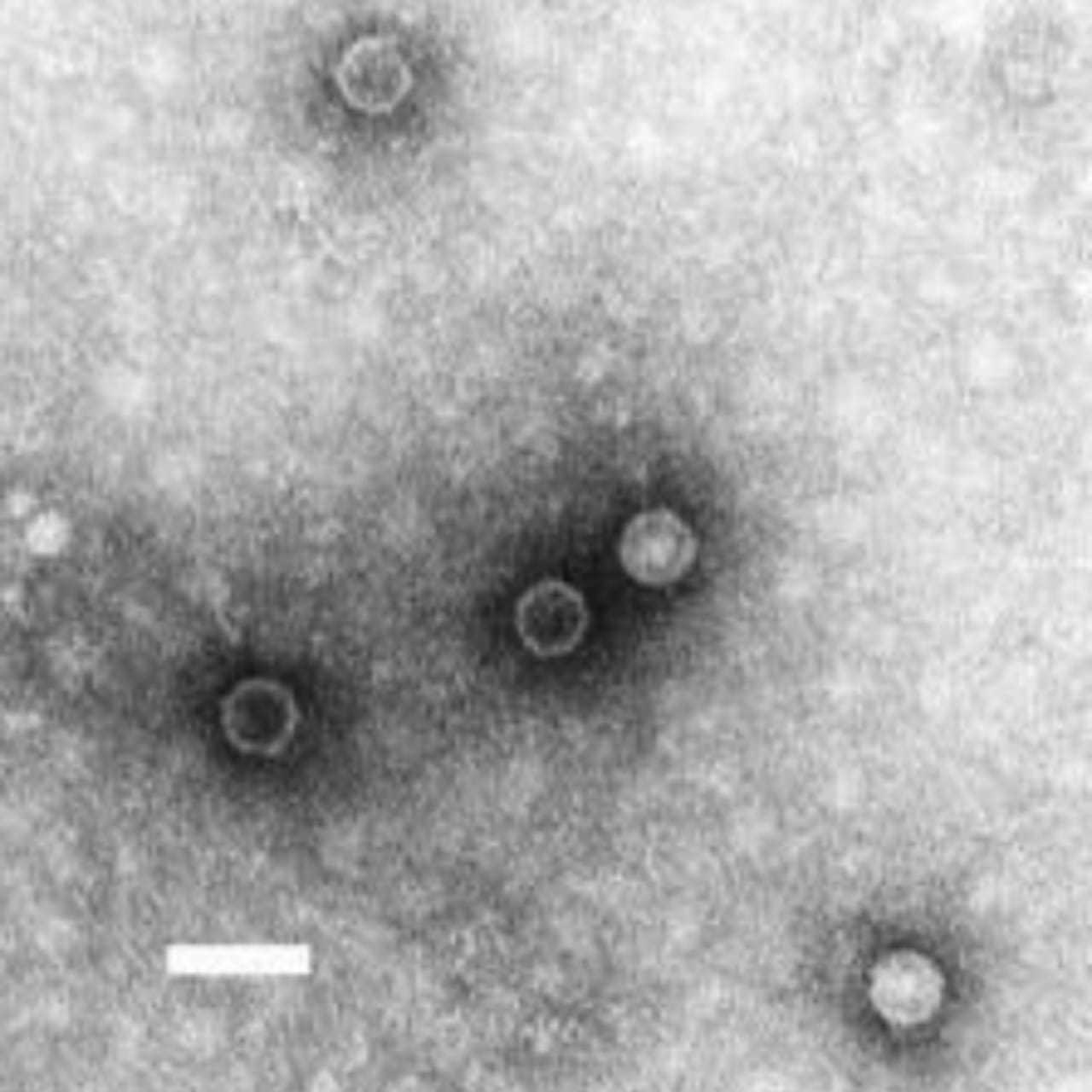
For the first time in weeks, polio has been detected in wastewater in New York.
Testing done in December 2022 revealed two new positive samples in Orange County, the Department of Health announced Friday, Jan. 6.
Health officials said the samples are genetically linked to the case of paralytic polio that was identified in Rockland County in July 2022, which marked the first time the disease had been seen in the United States in nearly a decade.
Of the 31 samples identified in Orange County so far, two were collected in June, five in July, six in August, nine in September, six in October, and one in November, according to the health department.
The disease has since been found in wastewater samples in Sullivan County and Nassau County on Long Island, as well as New York City, prompting Gov. Kathy Hochul to declare a state disaster emergency in September 2022.
Hochul’s order expanded the network of polio vaccine administrators and authorized doctors and other medical professionals to issue standing orders for polio vaccines.
Polio is a viral disease that can affect the brain and spinal cord, and can lead to paralysis or even death, according to health officials. It typically enters the body through the mouth, usually from hands contaminated with the fecal matter of an infected person.
Symptoms include fatigue, fever, headache, stiffness, muscle pain, and vomiting, and can take up to 30 days to appear.
Once considered one of the most feared diseases in the country, polio was virtually eliminated from the US following the development of vaccines in the 1950s.
"We continue to deploy wastewater surveillance to check for the virus in communities and urge New Yorkers to ensure their children are fully immunized," the Department of Health said on Twitter.