Rechercher dans ce blog

Friday, November 4, 2022

P.E.I. renews isolation requirements, expects to lift them at the end of November - CBC.ca

The isolation requirements for people who test positive for COVID-19 on Prince Edward Island will remain in place throughout November, according to Chief Public Health Officer Dr. Heather Morrison.

"The intention is to extend that isolation part of the order, but it will be the last time that we do so because we'll be adjusting the messaging about the importance of staying home when you're feeling sick," she said.

Morrison said the province will continue to monitor infection rates, but as they are currently declining on P.E.I., the approach going forward will be to emphasize staying home if you're ill to reduce the transmission of all illnesses.

"Whether it's influenza or COVID or other kinds of cold viruses, many symptoms are the same," she said. 

"Just because you may not test positive for COVID, it's important not to go out and sit with vulnerable people and be coughing and sneezing all over them."

Islanders with COVID-19 must isolate for five days from when symptoms began or from the date of their positive COVID-19 test. Those who are immunocompromised must do so for 10 days.

Morrison said the Chief Public Health Office will continue to encourage Islanders to stay up-to-date with their booster and flu vaccines.

Vaccination rates low in young children

COVID-19 vaccines have been available for children under the age of five since July. But according to the province's vaccination data, as of Oct. 9, less than 10 per cent of children in that age group have had one dose of a COVID-19 vaccine. 

Morrison said the low vaccination rate in young children isn't cause for concern. Previous infections, vaccine availability and timing may all play a part.

"If it had been available perhaps much earlier on in the pandemic, maybe there would have been a different uptake," she said.

"But we also know that there's some in that age group who had COVID within the last few months, so there may be some delay in even their ability to be vaccinated until a few months after they've had COVID."

Adblock test (Why?)


P.E.I. renews isolation requirements, expects to lift them at the end of November - CBC.ca
Read More

Thursday, November 3, 2022

Windsor-Essex health leaders concerned about 'aggressive' flu season, increased respiratory illness - Windsor Star

Article content

Trends in respiratory illnesses in Windsor-Essex and beyond have prompted a joint letter from the region’s health-care leaders urging the public to get flu shots and updated COVID-19 vaccines.

Advertisement 2

Article content

Released on Thursday morning, the letter expresses concern that this season’s influenza virus is “spreading more quickly and aggressively” — while the threat of COVID-19 remains, and local hospitals face “systemic pressures that continue to strain our institutional capacity.”

Article content

The letter is signed by the region’s Acting Medical Officer of Health, the chief of Essex-Windsor EMS, as well as the CEOs and Chiefs of Staff at each of the region’s hospitals.

“Today, we are asking residents of this region to once again do their part to address the spread of these dangerous viruses,” the letter states.

According to the letter, getting an annual flu shot and staying up to date on COVID-19 vaccination are “simple and effective ways” to limit the spread of illness, putting less burden on the Windsor-Essex health care system.

Advertisement 3

Article content

  1. Dr. Wassim Saad, Chief of Staff at Windsor Regional Hospital, speaks during a news conference in this file photo from March 18, 2020.

    Windsor-Essex health officials bracing for worst flu season in five years

  2. An electron microscope image of a SARS-CoV-2 particle, as captured by the U.S. National Institute of Allergy and Infectious Diseases in 2020.

    Windsor-Essex top doc concerned about region's fall COVID outlook

  3. An electron micrograph of a cell infected with SARS-CoV-2 particles, as captured at the National Institute of Allergy and Infectious Diseases in Maryland, U.S.A.

    Rise in COVID cases in Windsor-Essex cause for concern, says health unit

Dr. Shanker Nesathurai, Acting Medical Officer of Health for Windsor-Essex, said the health unit’s most recent epidemiological data shows about 11 per cent of patients currently attending local emergency departments are presenting signs of respiratory illness.

“Coughs, fever, chills, runny noses,” Nesathurai said.

Among emergency department patients between the ages 11 and 18, a third of them are there due to respiratory illness.

Among emergency patients under the age of four, half of them are cases of respiratory illness.

Advertisement 4

Article content

“The burden of respiratory illness in the community is high,” Nesathurai warned.

Advertisement 5

Article content

Windsor Regional Hospital CEO David Musyj said the necessary periods of social isolation since March 2020 have been a factor in this flu season being worse than normal.

“You have to remember, we were closed down in January of this year,” Musyj told the Star. “We’ve been coming out of that. That’s why the pandemic issue is dramatic. A lot of toddlers haven’t been exposed to any type of viruses for two years.”

Influenza and COVID-19 aren’t the only causes for concern. The U.S. has seen an increase in cases of respiratory syncytial virus (RSV) — a common winter virus that causes mild cold-like symptoms in healthy individuals, but is potentially dangerous to infants and the elderly.

Advertisement 6

Article content

Musyj said WRH saw 41 cases of RSV in October — which is “very high” compared to the numbers the hospital usually treats.

“We’re seeing increased demands in our paediatric area, for sure,” said Musyj, noting that WRH has been taking in patients from other parts of the province where hospital systems are even more burdened.

“Right now, Ottawa, GTA (Greater Toronto Area), and Kitchener-Waterloo are struggling — more so than Windsor-Essex,” Musyj said.

“It could be worse (locally). Unfortunately, it’s probably where we’re heading.”

Advertisement 7

Article content

Musyj said that when Windsor-Essex health care partners had discussions three months ago about the burden of disease during the fall and winter, the outlook at the time was that the end of December and early January would be the most problematic period.

“That’s been escalated to now,” Musyj told the Star. “It’s really starting now.”

Flu shots are available for all Ontario residents who are older than six months of age.

The bivalent COVID-19 vaccine — meant to target the now dominant Omicron variant — is now available to all Ontario residents ages 12 and older.

The Windsor-Essex vaccination rate for COVID-19 booster shots remains below the provincial average.

While 80.9 per cent of all residents in the region have received at least two doses of COVID-19 vaccine, only 16.4 per cent have received a fourth dose — and there has been little change to the statistics over the past four months.

Advertisement 8

Article content

Comments

Postmedia is committed to maintaining a lively but civil forum for discussion and encourage all readers to share their views on our articles. Comments may take up to an hour for moderation before appearing on the site. We ask you to keep your comments relevant and respectful. We have enabled email notifications—you will now receive an email if you receive a reply to your comment, there is an update to a comment thread you follow or if a user you follow comments. Visit our Community Guidelines for more information and details on how to adjust your email settings.

Adblock test (Why?)


Windsor-Essex health leaders concerned about 'aggressive' flu season, increased respiratory illness - Windsor Star
Read More

Wednesday, November 2, 2022

Ending hepatitis C - Gazette

Nov. 1, 2022

Interdisciplinary research to help lower Newfoundland and Labrador’s rate of hepatitis C to fall more in line with other Canadian provinces.

Drs. Whitten and Daley standing in front of large windows in MUN MEd School
From left are Dr. Cindy Whitten, Faculty of Humanities and Social Sciences, and Dr. Peter Daley, Faculty of Medicine.

Photo: Rich Blenkinsopp

It’s work that Dr. Peter Daley, Faculty of Medicine, and Dr. Cindy Whitten, Department of Sociology, Faculty of Humanities and Social Sciences, say is in part inspired by the World Health Organization’s goal to eliminate the hepatitis C virus (HCV) by 2030.

Dr. Daley is an infectious disease physician; Dr. Whitten is a clinical research scientist. They are also both employees of Eastern Health.

Dr. Whitten says that among all infectious diseases, the hepatitis C virus is associated with the highest number of life years lost in Canada, and the Canadian Network on Hepatitis C reports that it is the leading cause of liver disease and liver transplantation in the country.

But there is hope that the disease can not only be alleviated but eliminated in Newfoundland and Labrador.

The Canadian Network on Hepatitis C recently released a Blueprint to Inform Hepatitis C Elimination in Canada that states “progress in the HCV field represents one of the major medical breakthroughs of our time.”

Key to success in N.L.

The blueprint identifies people who are incarcerated as a priority group for increased access to HCV care.

Drs. Whitten and Daley are focusing their efforts on this group.

Dr. Whitten says that incarceration is associated with sexually transmitted and blood borne infections (STBBIs), including HCV, because people with substance use disorder are often incarcerated.

“Universal testing in correctional facilities is a best practice, which other provinces adhere to,” she said. “But, given the low rate of testing in our province, the prevalence of STBBIs in our correctional facilities, including HCV, was unknown.”

The pair recently completed a retrospective observational study on STBBIs in Newfoundland and Labrador’s correctional system.

They found that in comparison to other provinces, Newfoundland and Labrador’s testing for high risk populations, such as the incarcerated population, remains low.

This low rate is a contributing factor to the province’s relatively higher rate of HCV, say the researchers.

Drs. Daley and Whitten are advocating for increased testing of all populations, especially those at high risk, to facilitate the identification and treatment of positive cases, so as to prevent its transmission.

This is especially important because there are no vaccines for the infectious disease.

Harm reduction needed

HCV transmission is also common within corrections facilities due to lack of harm reduction measures.

“Best practices and evidence-based approaches, such as opioid agonist therapy and needle exchange programs, have also been shown to reduce the prevalence of STBBIs,” said Dr. Whitten. “While Newfoundland and Labrador has opioid agonist therapy in our correctional system, there is no needle exchange program.”

The researchers’ goal is to have their suggestions and the findings from their ongoing research decrease morbidities associated with STBBIs, especially for patients within correctional facilities.

“HCV treatment using direct-acting antiviral drugs leads to a cure in 95 per cent of people.” — Dr. Cindy Whitten

By curing inmates of hepatitis C, they will spread less the virus less in our correctional system, and in our community upon release.

“HCV treatment using direct-acting antiviral drugs leads to a cure in 95 per cent of people, with 8–12 weeks of once-daily pills that have few or no side effects,” said Dr. Whitten. “By curing cases as we identify them, we reduce the risk for liver-related morbidity, all-cause mortality and improve quality of life.”

The researchers have a suite of studies underway to help them in their mission.

Chad Pelley is a communications advisor with the Faculty of Humanities and Social Sciences. He can be reached at chad.pelley@mun.ca.

Adblock test (Why?)


Ending hepatitis C - Gazette
Read More

PODCAST.: Dr. Reka Gustafson talks HIV, COVID, the toxic drug crisis and mental health – The Free Press - The Free Press

You will find ‘Today in B.C.’ podcasts on iTunes, Spotify, Amazon, iHeart and Google podcasts.

Dr. Reka Gustafson joined Island Health after holding positions in Vancouver as the medical officer for the City of Vancouver and as the deputy chief medical health officer for Vancouver Coastal Health.

“As a general rule, don’t start a new public health job at the beginning of a pandemic”, said Gustafson, who received her medical training at UBC.

During her time in Vancouver, Gustafson worked primarily in communicable disease control, and worked with a team to change the testing practices for the way that HIV is diagnosed and managed.

“The entire healthcare system in British Columbia improved early diagnosis for HIV with the help of really dedicated clinicians and outreach teams, made sure that people were linked to treatment early and the result was that British Columbia, has sustainably reduced infection rates for HIV and improved treatment substantially,” she said. “That’s a pretty unique trend in Canada.”

On this edition of Today in B.C., host Peter McCully asked Gustafson what are the solutions to help people who are accessing toxic drugs in British Columbia.

“The fact that we arbitrarily criminalize some substances and not others is something that we need to address,” she said. “We need to really look at the legislative and societal framework in which some substances are criminalized and others are a completely normal part of our social fabric. And there’s a clear correlation between the toxicity and the harms of those substances that we criminalize.”

Gustafson also offers her insight into the flu season, COVID, alcohol use and mental health issues.

If you have suggestions or comments, send a voice message to podcast@blackpress.ca you may be part of our audio podcast mailbag segment.

LISTEN: One on One with Provincial Health Officer Dr. Bonnie Henry

LISTEN: Lengendary singer-songwriter Shari Ulrich shares musical memories

Like us on Facebook and follow us on Twitter

Black PressBritish ColumbiaPodcasts

Adblock test (Why?)


PODCAST.: Dr. Reka Gustafson talks HIV, COVID, the toxic drug crisis and mental health – The Free Press - The Free Press
Read More

Tuesday, November 1, 2022

Two patients receive new life-saving valves and avoid open heart surgery - McGill University Health Centre

[unable to retrieve full-text content]

Two patients receive new life-saving valves and avoid open heart surgery  McGill University Health Centre
Two patients receive new life-saving valves and avoid open heart surgery - McGill University Health Centre
Read More

Investing just $40 million new dollars in lung cancer research related to women has dramatic impact on US economy - Medical Xpress

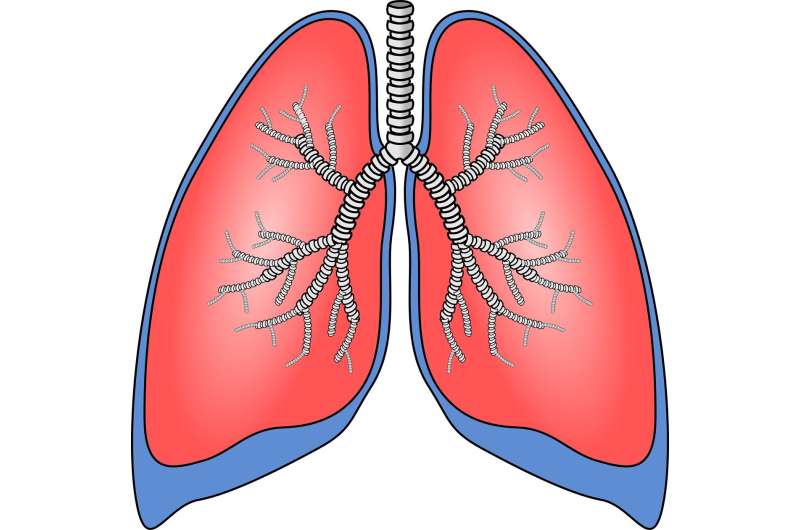
lung
Credit: Pixabay/CC0 Public Domain

Doubling the funding for research focused on women and lung cancer will have enormous economic impacts for families and the nation, according to a new report released today by Women's Health Access Matters (WHAM), which commissioned The RAND Corporation to create this study on lung cancer in women. According to rigorous modeling based on a number of conservative estimates, even health improvements of 0.1 percent in mortality and quality of life will yield a return on investment of $1,200 for every additional dollar spent. Today's findings mirror three previous studies from WHAM, which were executed by The RAND Corporation and show similar findings with respect to the power of investment for women's health research associated with Alzheimer's disease, heart disease and rheumatoid arthritis.

For , this is particularly critical because in the U.S., lung is the number one cause of cancer death in . More women die of lung cancer (estimated approximately 61,000 in 2022, according to CA: A Cancer Journal for Clinicians) than of breast, ovarian and cervical cancers combined. And non-smoking women are more than two times as likely to get lung cancer as their male counterparts, yet the sex disparities of the disease have yet to be thoroughly examined, and only 15 percent of lung cancer research is focused on women.

Lung cancer research receives the least amount of funding of the major cancers affecting women. The new report is a first-of-its-kind microsimulation model that examines socioeconomic impacts of investments in women's in the U.S.—revealing critical gaps in the nation's current research portfolio and the potential gain to the economy through greater funding.

The new research examines the return on investment if the for women and lung cancer were doubled. Assuming that the additional research generates health improvements of only 0.1 percent or less in terms of age incidence, mortality and quality of life, the nation can reliably anticipate the following payoff:

  • For the U.S. population aged 25 and older, more than 22,700 years can be saved across 30 years of extended life, with substantial gains in health-related quality of life.
  • Approximately 2,500 more labor years (valued at $45 million in labor productivity) result from increased work time and longer life.

Overall, doubling the investment would have an expected ROI of more than 1,200 percent.

"These findings are stunning," said WHAM Founder and CEO Carolee Lee. "Women are sick and dying from a disease that disproportionately affects them, yet research doesn't acknowledge this fact. And the pain of disease is not just a medical problem by any means. This new data could not be more clear about the economic pain we all pay when women leave the workforce early to manage their own health or serve as caregivers for their loved ones. Women's health is an economic issue that impacts everyone, and we can't afford to ignore it."

"This research shows that very small investments in women's health can generate outsized returns, in part because women's health research is still very much under-funded," said Lori Frank, senior author of the study. "Our modeling suggests that even small investments in women's lung cancer research could result in significant gains in , health-related and workforce productivity. But it also points to the importance of addressing diseases that hit women harder; equity in medical research leads to meaningful benefits."

"This report brings important new data to the case that we have been making for years: that lung cancer impacts women differently—both physically and societally—and these disparities must be addressed," said Laurie Fenton Ambrose, President and CEO of GO2 for Lung Cancer and supporter of the report. "The WHAM findings not only underscore the need for legislation that expands resources to better understand the science of lung cancer in women, but also show how investing in research could result in for women living with the disease."

The WHAM Report can be a tool to help decisionmakers plan for future research strategies, help funders decide how to allocate their portfolios, and address the for payers and business leaders to invest in women's health.

The report authors recommend expanding the research agenda to address multiple aspects of sex and gender in lung cancer using the limited evidence base, including:

  • The unknown interactions of sex and gender with lung cancer etiology, and to inform treatment and prevention research.
  • Understudied interactions of gender and race with lung cancer risk, health care and disease progression; in particular, examining obstacles to access to and use of diagnostic technology, including for personalized medicine.
  • Differences by sex and gender in lifestyle impacts on disease.
  • Differences in course and outcomes by sex and gender, based on different patterns of the use of formal and informal caregiving.

"Women are more than half of the population and workforce, control 60 percent of personal wealth, and are responsible for 85 percent of consumer spending and 80 percent of healthcare decisions," said Lee. "Yet even while diseases impact them disproportionately and differently, pulling many from the workforce too soon, investment in women's health research lags. This is such an easy win for our country."

More information: Report: thewhamreport.org/report/lung/

Provided by Burness

Citation: Investing just $40 million new dollars in lung cancer research related to women has dramatic impact on US economy (2022, November 1) retrieved 1 November 2022 from https://ift.tt/0cdafgw

This document is subject to copyright. Apart from any fair dealing for the purpose of private study or research, no part may be reproduced without the written permission. The content is provided for information purposes only.

Adblock test (Why?)


Investing just $40 million new dollars in lung cancer research related to women has dramatic impact on US economy - Medical Xpress
Read More

Monoclonal Antibody Protects Against Malaria Infection in Mali Clinical Trial - Technology Networks

One dose of an antibody drug safely protected healthy, non-pregnant adults from malaria infection during an intense six-month malaria season in Mali, Africa, a National Institutes of Health clinical trial has found. The antibody was up to 88.2% effective at preventing infection over a 24-week period, demonstrating for the first time that a monoclonal antibody can prevent malaria infection in an endemic region. These findings were published today in The New England Journal of Medicine and presented at the American Society of Tropical Medicine & Hygiene 2022 Annual Meeting in Seattle.

“We need to expand the arsenal of available interventions to prevent malaria infection and accelerate efforts to eliminate the disease,” said Anthony S. Fauci, M.D., director of the National Institute of Allergy and Infectious Diseases (NIAID), part of NIH. “These study results suggest that a monoclonal antibody could potentially complement other measures to protect travelers and vulnerable groups such as infants, children, and pregnant women from seasonal malaria and help eliminate malaria from defined geographical areas.”

NIAID sponsored and funded the trial, which was led by Peter D. Crompton, M.D., M.P.H., and Kassoum Kayentao, M.D., M.P.H., Ph.D. Dr. Crompton is chief of the Malaria Infection Biology and Immunity Section in the NIAID Laboratory of Immunogenetics, and Dr. Kayentao is a professor at the University of Sciences, Techniques and Technologies (USTTB) of Bamako, Mali.

An estimated 241 million cases of malaria occurred worldwide in 2020, according to the World Health Organization(link is external) (WHO), resulting in an estimated 627,000 deaths, mostly in children in sub-Saharan Africa. These cases included more than 11 million pregnant women in Africa, resulting in an estimated 819,000 newborns with low birthweight and thus at increased risk for illness and death.

The only malaria vaccine currently recommended by WHO, called RTS,S (Mosquirix), provides partial protection against clinical malaria during the early years of life when given to children aged 5 to 17 months in four doses over a 20-month period. Other drugs consisting of small chemical compounds that effectively prevent malaria infection are also available for infants and young children as well as travelers.The requirement for frequent dosing of these drugs can limit adherence, however, and the emergence of drug resistance may also limit their usefulness. Thus, there is an urgent need for new, fast-acting, infrequently dosed interventions that safely provide strong protection against malaria infection.

Malaria is caused by Plasmodium parasites, which are transmitted to people through the bite of an infected mosquito. The mosquito injects the parasites in a form called sporozoites into the skin and bloodstream. These travel to the liver, where they mature and multiply. Then the mature parasite spreads throughout the body via the bloodstream to cause illness. P. falciparum is the Plasmodium species most likely to result in severe malaria infections, which, if not promptly treated, may lead to death.

The Phase 2 NIAID-USTTB trial evaluated the safety and efficacy of a one-time, intravenous infusion of a monoclonal antibody called CIS43LS. This antibody was previously shown to neutralize the sporozoites of P. falciparum in the skin and blood before they could infect liver cells. Researchers led by Robert A. Seder, M.D., isolated a naturally occurring form of this antibody from the blood of a volunteer who had received an investigational malaria vaccine, and then modified the antibody to extend the length of time it would remain in the bloodstream. Dr. Seder is the acting chief medical officer and acting associate director of the NIAID Vaccine Research Center (VRC) and chief of the VRC’s Cellular Immunology Section.

The study team for the Phase 2 trial enrolled 369 healthy, non-pregnant adults aged 18 to 55 years in the rural communities of Kalifabougou and Torodo in Mali, where intense P. falciparum transmission typically occurs from July through December each year.

The first part of the trial assessed the safety of three different doses of CIS43LS — 5 milligrams per kilogram of body weight, 10 mg/kg and 40 mg/kg — administered by intravenous infusion in 18 study participants, with six participants per dose level. The study team followed these participants for 24 weeks and found the antibody infusions were safe and well-tolerated.

The second part of the trial assessed the efficacy of two different doses of CIS43LS compared to a placebo. Three hundred and thirty participants were assigned at random to receive either 10 mg/kg of the antibody, 40 mg/kg, or a placebo by intravenous infusion. No one knew who was assigned to which group until the end of the trial. The study team followed these individuals for 24 weeks, testing their blood for P. falciparum weekly for the first 28 days and every two weeks thereafter. Any participant who developed symptomatic malaria during the trial received standard treatment from the study team.

The investigators analyzed the efficacy of CIS43LS two ways. Based on the time to first P. falciparum infection over the 24-week study period, the high dose (40 mg/kg) of CIS43LS was 88.2% effective at preventing infection and the lower dose (10 mg/kg) was 75% effective. An analysis of the proportion of participants infected with P. falciparum at any time over the 24-week study period found the high dose was 76.7% at preventing infection and the lower dose was 54.2% effective.

“These first field results demonstrating that a monoclonal antibody safely provides high-level protection against intense malaria transmission in healthy adults pave the way for further studies to determine if such an intervention can prevent malaria infection in infants, children, and pregnant women,” Dr. Seder said. “We hope monoclonal antibodies will transform malaria prevention in endemic regions.”

Dr. Seder and colleagues have developed a second antimalarial monoclonal antibody, L9LS, that is much more potent than CIS43LS and therefore can be administered in a smaller dose as an injection under the skin (subcutaneously), rather than by intravenous infusion. An early-phase NIAID trial of L9LS in the United States found that the antibody was safe and prevented malaria infection for 21 days in 15 out of 17 healthy adults exposed to P. falciparum in a carefully controlled setting. Two larger, NIAID-sponsored Phase 2 trials assessing the safety and efficacy of L9LS in infants, children and adults are underway in Mali and Kenya.

Additional information about the Phase 2 trial of CIS43LS is available at ClinicalTrials.gov under study identifier NCT04329104.

Reference: Kayentao K, Ongoiba A, Preston AC, et al. Safety and efficacy of a monoclonal antibody against malaria in Mali. N Engl J Med. 2022;0(0):null. doi: 10.1056/NEJMoa2206966


This article has been republished from the following materials. Note: material may have been edited for length and content. For further information, please contact the cited source.


Adblock test (Why?)


Monoclonal Antibody Protects Against Malaria Infection in Mali Clinical Trial - Technology Networks
Read More

The Winnipeg Foundation Innovation Fund supports cutting-edge projects - UM Today

February 1, 2024 —  Three interdisciplinary teams from the Rady Faculty of Health Sciences have received $100,000 grants from The Winnipeg...